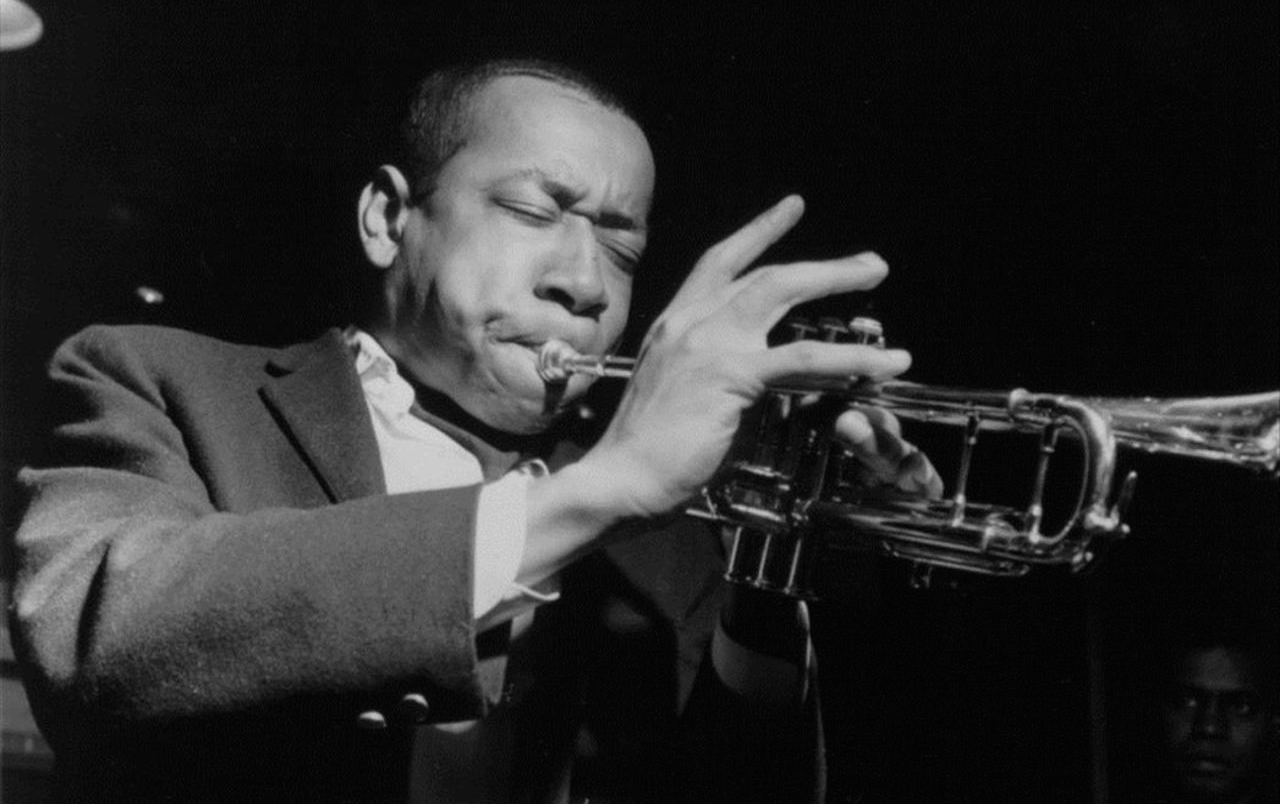
An Expert Guide by a 20+ Year Brass Specialist
So You’re Looking for a Flugelhorn…
Let me guess: you’ve been playing trumpet for a while, you heard Miles Davis or maybe Chuck Mangione, and suddenly that warm, velvety sound has you completely hooked. Or maybe you’re a brass band player who needs a proper flugel for the section. Or perhaps you’re a complete beginner who wants to start on the right foot. Whatever brought you here, you’ve come to the right place.
I’ve been playing and teaching brass instruments for over two decades. I’ve put dozens of flugelhorns through their paces — from student horns in high school band rooms to boutique instruments at jazz festivals. I’ve seen what works, what doesn’t, and what will leave a beginner frustrated after three months. This guide is my honest, experience-based take on the best flugelhorns available in 2026.
Here’s what I want you to know upfront: a flugelhorn is not simply a fat trumpet. It’s a fundamentally different instrument with a conical bore (more on that shortly), and choosing the right one for your playing context matters enormously. Get it right, and you’ll have an instrument that sings for decades. Get it wrong, and you’ll either be fighting poor intonation, incompatible mouthpieces, or a tone that doesn’t suit your style.
Let’s dig in.
Quick Picks at a Glance
If you’re in a hurry, here’s the short version. But I’d really encourage you to read the full reviews — the details matter a lot with flugelhorns.
| Model | Best For | Key Feature | Player Level | Value |
| Yamaha YFH-631G | Best Overall | Gold brass bell | Intermediate–Pro | ★★★★☆ |
| Adams F2 | Jazz | Heavyweight bell | Advanced–Pro | ★★★★☆ |
| Besson Prestige BE2028 | Brass Band | Trigger system | Intermediate–Pro | ★★★★★ |
| CarolBrass CFL-6200 | Best Value | Dual leadpipes | Beginner–Intermediate | ★★★★★ |
| Jupiter JFH1100R | Beginners | Rose brass bell | Beginner | ★★★★☆ |
What to Look for in a Flugelhorn: The Stuff That Actually Matters
Before we get into specific models, let’s talk about what separates a great flugelhorn from a mediocre one. This is the section I wish someone had walked me through before I bought my first flugel. Take your time here — it will save you money and frustration.
1. The Bore and Taper: Why the Flugelhorn Sounds the Way It Does
This is the most fundamental difference between a flugelhorn and a trumpet, and it’s worth understanding properly. A trumpet has a mostly cylindrical bore — the tubing stays roughly the same diameter for most of its length before flaring out at the bell. A flugelhorn, by contrast, has a conical bore — the tubing gradually expands in diameter from the mouthpiece all the way to the bell.
Why does this matter? The conical bore produces more even, warm overtones in the lower registers and gives the instrument that characteristic dark, velvety sound. The cylindrical trumpet bore is brighter and more projecting. This is why flugelhorns blend so beautifully in a brass band but might get swallowed up in a loud big band chart where trumpet projection is needed.
When evaluating a flugelhorn, you want to make sure the bore and taper are well-executed. Cheaper instruments sometimes compromise the consistency of the bore taper to cut manufacturing costs, and you’ll notice it in the tone — it sounds uneven, and certain notes feel stuffy or airy. Good quality control on the bore is a major reason why Yamaha and Besson command higher prices.
2. The Third Valve Trigger: Almost Non-Negotiable for Serious Players
I’m going to be direct about this: if you’re past the beginner stage, you need a flugelhorn with a third valve trigger or slide ring. This is one of the most common mistakes I see intermediate players make — they buy a horn without a trigger and then wonder why their low D and C# are constantly flat.
Here’s the physics: on a flugelhorn, the low D (open fingering with valves 1 and 3) and C# (valves 1, 2, and 3) require the third valve slide to be pulled out to correct the pitch. Without a trigger mechanism, you’d need to manually push the slide with your ring finger — awkward at any tempo. A trigger lets you do this naturally while playing.
Most quality flugelhorns include this feature as standard. If you’re looking at a horn without one and you’re past the beginner level, I’d seriously question the purchase unless the price is extremely low and you’re using it purely as a learner instrument.
3. Shank Size Compatibility: The Mistake That Trips Up Nearly Every Beginner
This one genuinely frustrates me because it costs beginners money and kills their early enthusiasm. Flugelhorns use different mouthpiece shanks than trumpets, and the shank sizes are not all the same across different brands.
There are three main shank types you’ll encounter:
- Small Shank (French shank): Used on many European instruments, particularly older designs. Common on some Yamaha and many German-made instruments.
- Large Shank (American/Morse taper): Used on some American-made flugelhorns. Less common today but still exists.
- Yamaha Shank: This is Yamaha’s proprietary design — it’s neither fully small nor large. It’s sometimes described as a hybrid. If you have a Yamaha flugelhorn, you need Yamaha-compatible mouthpieces or specific adapters.
The practical takeaway: before you buy any flugelhorn, find out what shank it accepts, and then check whether your preferred mouthpieces are compatible. Do NOT assume your trumpet mouthpieces will fit — they won’t (they use a different shank entirely). This is one of the first things I tell every student switching from trumpet to flugelhorn.
4. Bell Material: It Really Does Affect Your Sound
The material your bell is made from has a meaningful effect on tone color, though it’s more subtle than bore design. Here’s a practical breakdown:
Yellow Brass (70% copper, 30% zinc): The most common bell material. Produces a balanced, somewhat bright tone. Great all-around choice. Most student and intermediate horns use yellow brass.
Rose Brass (85% copper, 15% zinc): Higher copper content gives a warmer, slightly darker sound. Excellent for jazz and ballad playing. You’ll find this on Jupiter’s entry-level flugelhorn and several mid-tier models.
Gold Brass (80% copper, 20% zinc): Sits between yellow and rose brass. Warmer than yellow, brighter than rose. The Yamaha YFH-631G uses a gold brass bell, which is a major reason for its exceptional, balanced tone. This is premium territory.
If you’re a jazz player who wants maximum warmth and darkness, rose or gold brass bells are ideal. If you’re a brass band player who needs good projection and blend, yellow or gold brass work excellently. Beginners: don’t overthink this — focus on playability and intonation first.
5. Valve Quality: Your Daily Driver
The valves are what you interact with on every single note. Poor valves — sluggish, slightly misaligned, or prone to sticking — will kill your playing experience and can actually affect your technique over time as you compensate unconsciously.
For jazz playing especially, valve speed matters. Lightning-fast lines in bebop or post-bop require snappy, frictionless valves. For brass band playing, reliability and consistency matter most.
Monel valves (a nickel-copper alloy) are the gold standard for durability and smoothness. You’ll find them on Yamaha, Getzen, and most quality instruments. Stainless steel valves are excellent and very durable but can feel slightly different. Cheaper horns often use brass valves, which are fine initially but wear faster.
Pro tip: when you try a flugelhorn, work the valves at tempo. Press them repeatedly and quickly. Any gumminess, lateral play, or audible clicking is a red flag.
6. Intonation and Tuning Systems
Flugelhorns are, by nature, slightly more challenging to keep in tune than trumpets, partly because of the conical bore physics and partly because there are more notes that require compensation. A well-designed flugelhorn addresses this through three mechanisms: a main tuning slide, individual valve slides, and ideally a third valve trigger as discussed above.
Pay attention to whether the instrument’s design has been optimized for intonation. Yamaha and Besson are particularly known for excellent intonation across the full range. Some budget instruments have chronic sharp or flat spots on certain notes that no amount of embouchure adjustment will fully fix — these are deal-breakers for ensemble playing.
The Best Flugelhorns of 2026: Full Reviews
Best Overall: Yamaha YFH-631G
If someone sat down with me and said, “I want one flugelhorn recommendation and I don’t want to second-guess it,” the Yamaha YFH-631G is what I’d tell them to get. It has been the industry benchmark for quality at its price point for many years, and in 2026 it continues to hold that position.
The gold brass bell is the star of the show here. It produces a tone that is warm, centered, and beautifully balanced across the full range. It’s not as dark as some of the boutique jazz horns, but it’s also far more versatile — equally at home on a jazz ballad, a brass band rehearsal, or a studio session. Intonation is excellent throughout, which is a massive deal for ensemble players. The third valve trigger is standard on this model.
The valves are classic Yamaha — smooth, reliable, and consistent. I’ve had students playing Yamaha flugelhorns for eight, ten years without a valve rebuild. The build quality is genuinely impressive at this price point.
One note for beginners: the Yamaha shank is proprietary, so you’ll need Yamaha-compatible mouthpieces. Denis Wick makes excellent options, and Yamaha’s own 8F4 mouthpiece is a solid starting point.
Who is this for? Serious amateurs, college students, working professionals, and really any player past the complete beginner stage. It’s an investment that holds its resale value well, which matters if you ever upgrade.
What I’d tell my students: “Save up for the 631G. You won’t outgrow it for a very long time.”
Best for Jazz: Adams F2 Flugelhorn
If pure jazz tone is your goal and you’re ready to invest in something truly special, the Adams F2 is the instrument that has been turning heads in the jazz community for the past several years. Based in the Netherlands, Adams builds their instruments with a level of craftsmanship that feels genuinely boutique.
The F2’s heavyweight bell is the defining feature. The extra mass in the bell changes the acoustic properties substantially — you get a tone that is noticeably darker, smokier, and more complex than a standard flugelhorn. When you close your eyes and play a slow ballad on this horn, you understand why people describe it as “liquid.” It’s that kind of dark, expressive sound that jazz players spend their careers chasing.
The valves are excellent — smooth and responsive. The intonation is outstanding. The whole horn has a sense of intentional design rather than mass production. The F2 sits at a higher price point, but for the working jazz musician, it’s worth every penny.
The Adams F1 (the lighter-weight sibling) is also worth considering if you want slightly more projection alongside the warmth. The F2 is purely for players who want maximum dark resonance.
If money is no object and you want to go even further into boutique territory, Van Laar flugelhorns are exceptional. But for most players, the Adams F2 is the realistic peak of jazz flugelhorn excellence.
Who is this for? Advanced players, professional jazz musicians, gigging musicians who primarily play jazz, ballads, or solo work. Not recommended for beginners — the subtleties of this horn require a well-developed embouchure to appreciate.
Best Value: CarolBrass CFL-6200
CarolBrass is a Taiwanese manufacturer that has been quietly disrupting the mid-tier brass market for the past decade, and the CFL-6200 is a perfect example of why. This horn offers features and quality that, five years ago, would have cost twice the price.
The standout feature is the inclusion of dual leadpipes. This is unusual at this price point and gives you real flexibility in tone color and resistance. The two leadpipes offer slightly different playing characteristics, so you can experiment and find which suits your embouchure and style best. It’s the kind of feature you’d expect on a horn costing significantly more.
Valve quality is genuinely good for the price. The intonation is solid, not perfect, but highly acceptable for the money. The build quality is consistent and the finish is attractive.
CarolBrass has made significant inroads with band directors in recent years because the instruments are reliable and the warranty support is solid. I’ve recommended the CFL-6200 to several intermediate students who needed to stretch their money without sacrificing too much quality, and the feedback has been uniformly positive.
A word of caution: the CFL-6200 doesn’t quite have the long-term value retention of a Yamaha or Besson. If you’re buying for a serious player who will want to resell eventually, the investment calculus looks different. But for a player who simply wants a great-sounding, reliable horn without breaking the bank, it’s an exceptional choice in 2026.
Who is this for? Budget-conscious intermediate players, students transitioning from beginner horns, players who want to try flugelhorn without a massive financial commitment, and adults returning to playing who don’t want to over-invest until they’re sure they’ll stick with it.
Best for Brass Band: Besson Prestige BE2028
In the brass band world, Besson is not just a brand — it’s something close to a religion. Besson instruments have been used in the top brass bands in Britain, Europe, and internationally for generations, and the Prestige BE2028 is the current flagship of their flugelhorn lineup.
Everything about this horn is designed for brass band playing. The tone is rich, full, and blends beautifully with soprano cornets, cornets, and the rest of the brass section. It doesn’t have the extreme darkness of a jazz horn like the Adams F2 — it sits in the middle: warm but present, with enough projection to cut through when needed without becoming strident.
The trigger system on the BE2028 is excellent. Intonation is among the best I’ve tested at this price point. The craftsmanship is clearly oriented toward professional and competitive level playing, and many of the top brass bands in the UK and Europe use these instruments in competition.
If you’re in a brass band context, the Besson also gives you instant credibility in that community. Band directors and section leaders will recognize it, and the instrument will fit aurally into your section in a way that, say, a jazz-voiced horn simply wouldn’t.
Who is this for? Brass band players at intermediate and professional level, anyone playing in a competitive brass band, players who want a versatile horn that works in band and ensemble contexts.
Best Beginner Flugelhorn: Jupiter JFH1100R
Not everyone needs to start on a professional instrument, and that’s perfectly fine. The Jupiter JFH1100R is my go-to recommendation for absolute beginners and younger players getting their first taste of the flugelhorn.
The rose brass bell is genuinely impressive for the price — you get an immediately warm, characteristic flugelhorn sound rather than the slightly thin tone that plagues many budget instruments. Beginners often lose motivation when their instrument sounds harsh or unresponsive; the JFH1100R avoids this trap and produces a sound that encourages continued playing.
The valves are smooth and reliable. The instrument is forgiving of the embouchure inconsistencies that are normal for beginner players. It responds easily, which is important for building confidence in the early stages.
What it lacks compared to more expensive horns: the intonation is good but not exceptional, the tone depth doesn’t quite match the Yamaha or Adams, and the long-term durability is adequate rather than outstanding. But for its purpose — getting a beginner player started on a real instrument with genuine flugel character — it does an excellent job.
Band directors: this is a horn you can safely recommend to parents of students who want to try flugelhorn. If the student sticks with it, they can upgrade to a Yamaha or CarolBrass in a few years. If they lose interest, the family hasn’t made a huge financial sacrifice.
Who is this for? Beginners, younger students, players who want an inexpensive entry into flugelhorn, parents buying for a child.
Side-by-Side Comparison
| Model | Level | Tone Color | Trigger? | Bell Material | Best Context |
| Yamaha 631G | Int–Pro | Warm, balanced | Yes | Gold brass | All-purpose, studio |
| Adams F2 | Adv–Pro | Dark, smoky | Yes | Heavy brass | Jazz, solo |
| Besson BE2028 | Int–Pro | Rich, blending | Yes | Yellow brass | Brass band |
| CarolBrass 6200 | Beg–Int | Versatile | Yes | Yellow brass | Practice, gigging |
| Jupiter 1100R | Beginner | Warm, easy | No | Rose brass | Learning |
Yamaha vs. Getzen Flugelhorns: A Real-World Comparison
I get asked this question constantly, and it’s a genuinely interesting comparison because these two brands represent different schools of thought in flugelhorn design.
Yamaha Flugelhorns
Yamaha’s approach is all about consistency, reliability, and precision engineering. Every Yamaha flugelhorn that comes off the production line plays within a very tight tolerance. The intonation is predictable and excellent. The valves are consistently smooth. You know exactly what you’re getting.
This predictability is actually a huge asset in a professional context. If you’re a studio musician or a busy gigging player, you need an instrument you can trust completely on every session. Yamaha delivers that. The trade-off, some players argue, is a slight homogenization — Yamaha flugelhorns have excellent character, but they’re not wildly individual instruments.
The YFH-631G and its stablemates (the 5310 and 2310 at lower price points) form a clear, sensible upgrade path. Each step up the range brings genuinely better materials and craftsmanship, and you can feel it when you play them side by side.
Getzen Flugelhorns
Getzen is an American manufacturer with a strong following in the jazz and commercial trumpet world, and their flugelhorns carry a similar character to their trumpets: slightly more individual personality, a tone with a bit more edge and presence than a Yamaha.
Getzen flugelhorns tend to have a brighter, more projecting quality than their Yamaha counterparts, which makes them interesting for players who find Yamaha slightly too polite. Jazz players who want a flugelhorn that can cut through a rhythm section a bit more assertively sometimes prefer Getzen for precisely this reason.
Build quality is good, though Getzen’s quality control has historically been slightly less consistent than Yamaha’s. Most Getzens are excellent; occasionally you find one that needs some initial adjustment. Their after-service and repair support in the United States is good.
The Verdict
My honest take: for most players, especially those outside the United States, Yamaha is the safer and more practical choice. Consistent quality, excellent intonation, strong resale value, and a worldwide service network are hard to argue with. For American jazz players who want a more assertive tone character and appreciate the American manufacturing tradition, Getzen is a genuinely compelling alternative worth auditioning.
Neither brand is objectively better — they serve slightly different tastes. If you can, try both before deciding. If you can’t, Yamaha is the lower-risk choice.
Choosing a Flugelhorn by Playing Context
Here’s the bottom line on which horn to choose based on what you actually do with it:
Complete beginners: Jupiter JFH1100R. Simple, sounds good, won’t devastate your wallet if you discover flugelhorn isn’t for you. Upgrade in 2–3 years if you stick with it.
Students and advancing players: CarolBrass CFL-6200 for budget-conscious players; Yamaha YFH-5310Z for those who want to invest properly from the start.
Jazz players: Adams F2 if you can stretch to it. If budget is a constraint, the Yamaha YFH-631G has enough warmth for jazz while remaining versatile.
Brass band players: Besson Prestige BE2028 without hesitation. It’s designed for exactly this context and it shows.
Professional / All-purpose: Yamaha YFH-631G is the safe, smart, versatile choice. It will handle everything from jazz dates to studio sessions to brass ensemble work.
Money no object: Adams F1 or F2, or a custom Van Laar. You’ll know it when you play it.
Mouthpiece Selection: Don’t Get This Wrong
I cannot stress this enough: using the wrong mouthpiece will completely sabotage even the best flugelhorn. I’ve seen players with excellent horns sound thin and reedy because they were playing on a trumpet mouthpiece with an adapter. Don’t do this.
Flugelhorn mouthpieces are specifically designed with a deeper, more conical cup than trumpet mouthpieces. This deep V-cup is what allows the instrument’s natural warmth to develop. A trumpet mouthpiece, even with a shank adapter, produces a much thinner, more trumpet-like tone — it defeats the entire purpose of playing a flugelhorn.
Remember to check shank compatibility (discussed above) before purchasing any mouthpiece. Key recommendations:
- Denis Wick Flugelhorn Mouthpieces: Excellent quality, widely available, good value. The 4FL and 3FL are popular choices for intermediate players. Deep cups, rich tone.
- Bobby Shew Jazz Flugelhorn Mouthpiece: Designed specifically for jazz playing with a medium-deep cup. More focused tone with excellent response. A favorite among jazz educators.
- Yamaha Flugelhorn Mouthpieces (8F4, 7F4): Well-matched to Yamaha flugelhorns. Good starting point if you’re playing a Yamaha instrument.
- Schilke Flugelhorn Mouthpieces: High-quality American-made options with excellent intonation. Popular with professional players.
General guidance: start with a medium-deep cup in a bore size similar to what you use on trumpet. From there, adjust based on what the music demands. Darker sound needed? Go deeper cup. More projection? Slightly shallower, but never as shallow as a trumpet mouthpiece.
Common Beginner Mistakes (And How to Avoid Them)
After years of teaching, I’ve seen the same mistakes repeatedly. Here are the big ones:
Mistake 1 — Buying without checking mouthpiece compatibility: I’ve already hammered this point, but it bears repeating. Check the shank size before you commit to any flugelhorn purchase.
Mistake 2 — Using a trumpet mouthpiece: Related to above. Even with an adapter, this is not a real solution. Get a proper flugelhorn mouthpiece.
Mistake 3 — Ignoring the trigger: Buying a flugelhorn without a trigger (for intermediate+ players) and then being confused about intonation problems. If you’re past the beginner stage, the trigger is essential.
Mistake 4 — Choosing by price alone: The cheapest flugelhorns on the market are genuinely poor instruments with substandard valves, inconsistent intonation, and thin tone. They’ll discourage a new player. The CarolBrass CFL-6200 is roughly the entry point for instruments that will serve you well. Below that, be very cautious.
Mistake 5 — Not trying before buying: Whenever possible, play the instrument before purchasing. Even within a brand, individual instruments can vary slightly. If you’re buying online, purchase from a retailer with a good return policy.
Mistake 6 — Neglecting maintenance: Flugelhorns need regular valve oil, regular greasing of slides, and periodic professional cleanings. Neglecting this leads to sticking valves and deteriorating tone. Create a maintenance habit from day one.
A Note to Band Directors and Music Teachers
If you’re directing a brass band or school ensemble and you’re advising students or parents on flugelhorn purchases, here’s my practical guidance distilled from years in the classroom and rehearsal room:
For school programs with budget constraints, the Jupiter JFH1100R is a solid recommendation for initial players. It’s durable, sounds authentically like a flugelhorn, and the rose brass bell gives students immediate positive feedback on tone. Parents won’t feel they’ve wasted money if the student moves on.
For students who are clearly committed and have been playing cornet or trumpet for at least two years, push them toward the Yamaha range starting with the YFH-5310 or the CarolBrass CFL-6200. The improvement in intonation, valve quality, and tone depth over budget instruments is immediately audible and will accelerate a committed student’s development.
For your top-level players — students heading to conservatory, playing in regional ensembles, or competing at high levels — the Yamaha YFH-631G or Besson Prestige should be the target. These are instruments that will not hold back even a highly advanced student.
Finally, a word on rental: some dealers rent quality flugelhorns, and this can be an excellent option for students at the exploring stage. Check with local music dealers for availability.
Durability Considerations: What Will Last
Flugelhorns, perhaps more than any other brass instrument, require consistent care because of their complex valve geometry and the tight clearances involved in their conical bore design.
From a durability standpoint, Yamaha and Besson instruments are the gold standard. I’ve seen Yamaha flugelhorns from the 1990s still playing beautifully with proper maintenance. The lacquer may wear, the slides may need re-greasing more frequently, but the fundamental instrument remains functional for decades.
CarolBrass instruments are good but somewhat more variable in long-term durability — they tend to show wear in the valve area after heavy use, though regular oiling significantly extends this. For a student instrument played heavily over four or five years, budget for a valve service.
Jupiter instruments at the student level are built to withstand the rough and tumble of school use, but they’re not designed for decades of professional gigging. Treat them well and they’ll serve the purpose admirably; abuse them and they’ll let you know.
Adams instruments are boutique-quality and built to last, but they do require more careful handling than a workhorse like a Yamaha — think of them as a performance car versus a reliable commuter. Worth it for the right player, but keep them in a well-padded case.
Frequently Asked Questions
Q: What is the best flugelhorn overall in 2026?
The Yamaha YFH-631G remains the benchmark for overall quality, versatility, and reliability at its price point. Its gold brass bell, excellent intonation, and consistent valve action make it the safe, smart choice for any serious player.
Q: What is the best flugelhorn for beginners?
The Jupiter JFH1100R is my top pick for beginners. Its rose brass bell produces an immediately warm, characteristic flugelhorn sound, the valves are smooth and reliable, and the price is appropriate for someone who is still discovering whether the flugelhorn is the right instrument for them.
Q: What flugelhorn is best for jazz?
The Adams F2 is the top choice for serious jazz players who want maximum tonal darkness and expressiveness. For players who need more versatility alongside jazz playing, the Yamaha YFH-631G is an excellent alternative that still carries plenty of warmth.
Q: Are Yamaha flugelhorns worth the money?
Absolutely, yes. Yamaha flugelhorns offer exceptional consistency, longevity, and intonation. They also hold their resale value better than most other brands, which means you’re making a genuine long-term investment rather than just an expenditure. The YFH-631G in particular is likely to still be a benchmark recommendation ten years from now.
Q: Why do flugelhorns need a trigger on the third valve?
Due to the physics of the conical bore and the particular fingering combinations used for certain notes (especially low D and C#), these notes tend to be sharp or flat without pitch correction. Pushing out the third valve slide corrects this. A trigger mechanism allows you to do this quickly and naturally during performance, whereas without a trigger it’s very difficult to manage at tempo.
Q: Can I use my trumpet mouthpiece on a flugelhorn?
Technically you can with an adapter, but I strongly advise against it. Trumpet mouthpieces are designed for cylindrical bore instruments and have a shallower, more V-cup to funnel shape. Using one on a flugelhorn produces a thin, trumpet-like tone that defeats the purpose of the instrument entirely. Invest in a proper flugelhorn mouthpiece — Denis Wick, Bobby Shew, and Yamaha all make excellent options.
Q: What is the difference between a flugelhorn and a cornet?
Both instruments have conical bores, which is why they share a warm, mellow tone character compared to the trumpet. The key differences are in the degree of conical taper (the flugelhorn is more pronouncedly conical), the overall bore size (flugelhorn is wider), and the bell flare (flugelhorn is more dramatic). The flugelhorn produces a darker, richer, more “tubby” sound than the cornet, which is slightly brighter and more focused.
Q: How much should I spend on a flugelhorn?
As a rough guideline: beginners should budget around $500–$800 for a reliable student instrument (Jupiter JFH1100R range). Intermediate players should look at $1,200–$2,000 for a genuinely quality horn (Yamaha YFH-5310 / CarolBrass CFL-6200 range). Professional instruments start around $2,500 and up (Yamaha YFH-631G, Besson Prestige, Adams). Boutique instruments (Adams F2 top config, Van Laar) can reach $5,000+. Anything under $400 new is likely to cause more frustration than it’s worth.
Q: Is the flugelhorn hard to learn if I already play trumpet?
The transition is easier than many players expect technically — the fingering is the same, and much of your trumpet embouchure carries over. The main adjustments are in airstream (the flugelhorn wants a slightly more open, relaxed air column), lip pressure (slightly less tension than on trumpet), and mouthpiece adaptation. Most competent trumpet players can produce a decent flugelhorn sound within a few sessions. Mastering the characteristic flugelhorn tone, however — that buttery, resonant warmth — takes dedicated practice and embouchure adjustment.
Final Verdict: Making the Right Choice
We’ve covered a lot of ground, so let me bring it all together with a clear, direct summary of where I’d point different players.
If you want the best all-purpose flugelhorn without overthinking it, the Yamaha YFH-631G is your answer. It’s the instrument I’d recommend to 70% of players reading this guide. Excellent tone, excellent intonation, excellent valves, and it will serve you for many years.
If you’re a dedicated jazz musician and tone darkness is your priority above all else, start saving for the Adams F2. It’s an instrument that will genuinely inspire your playing and make you sound better.
If budget is a real constraint but you don’t want to compromise on quality beyond what’s necessary, the CarolBrass CFL-6200 is a remarkable horn for the money in 2026.
If you play in a brass band and want to fit in perfectly with that tradition and sound, the Besson Prestige BE2028 is the obvious choice.
And if you’re just starting out and you want to try flugelhorn without a major financial commitment, the Jupiter JFH1100R will give you a real taste of what the instrument can do.
One final piece of advice that I give to every student: wherever possible, play a few different instruments before committing. Visit a music shop, ask to try different models, bring your mouthpiece. A flugelhorn is a personal instrument in a way that few others are — the right horn for you is ultimately the one that resonates with your embouchure, your ear, and your musical personality. The recommendations in this guide will point you in the right direction, but your hands and ears should make the final call.
Good luck, and welcome to the wonderful world of the flugelhorn. Once you experience that warm, velvety tone for the first time, you’ll understand why so many trumpet players end up owning one.
— Written by a Brass Specialist with 20+ Years of Performance and Teaching Experience
RECOMMENDED FOR YOU: